Peter Molyneux didn’t just sell games—he sold dreams. Grand visions of godlike power, emotional AI, and revolutionary gameplay became his signature. But behind the charisma and bold promises lies a trail of disillusioned backers, drained investors, and shuttered studios. While Molyneux remains a figure of influence, the human cost of his failed legacy is rarely discussed. This is the story of the players—real people—who lost big money on dreams that never shipped.
The Rise of a Visionary—And the Seeds of Disillusion
Peter Molyneux built his reputation on innovation. Populous, Dungeon Keeper, Black & White—these weren’t just games; they were genre-defining experiences. His flair for hype, combined with genuine creativity, earned him legendary status. But somewhere along the way, the line between ambition and overpromise blurred.
By the late 2000s, Molyneux was no longer just a developer—he was a brand. And like any brand, perception became as important as delivery. His 2012 TED Talk, where he claimed games could make players cry with emotional depth, only amplified expectations. But as his promises grew bolder, the gap between vision and reality widened. And when Godus launched in 2013, that gap became a chasm.
Godus: The Kickstarter That Promised Too Much
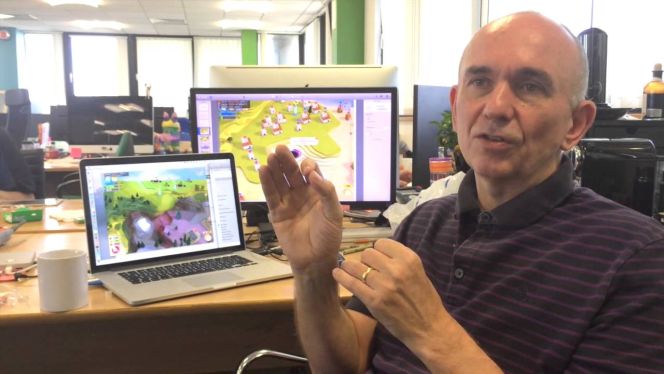
In 2012, Molyneux launched a Kickstarter for Godus, a spiritual successor to Populous. The pitch was intoxicating: a god game with evolving civilizations, player-driven narratives, and persistent worlds. It raised £526,000 from over 15,000 backers—far exceeding its initial goal.
But Godus never delivered.
The final product was a stripped-down, auto-scrolling tile-clicker with no multiplayer, no world persistence, and none of the promised emotional AI. Players who paid £25–£75 for early access felt misled. Worse, stretch goals—like an online mode and digital artbook—were quietly abandoned.
Backers didn’t just lose money. They lost trust.
One backer, a long-time Populous fan from Manchester, spent £50 on a “Founder’s Pack.” He received a basic Steam key and a placeholder icon. “I backed it for the vision,” he said. “But what we got felt like a demo from a student project. No updates, no communication. Just silence.”
The Developers Who Bet Their Careers
It wasn’t just fans who lost out—so did the developers who believed in Molyneux’s vision.
22cans, the studio Molyneux founded to build Godus, hired a small but passionate team of programmers, artists, and designers. Many left stable jobs to work on what they thought would be a groundbreaking title. Salaries were modest, but the chance to work with a legend was worth the risk.
By 2015, morale had collapsed.
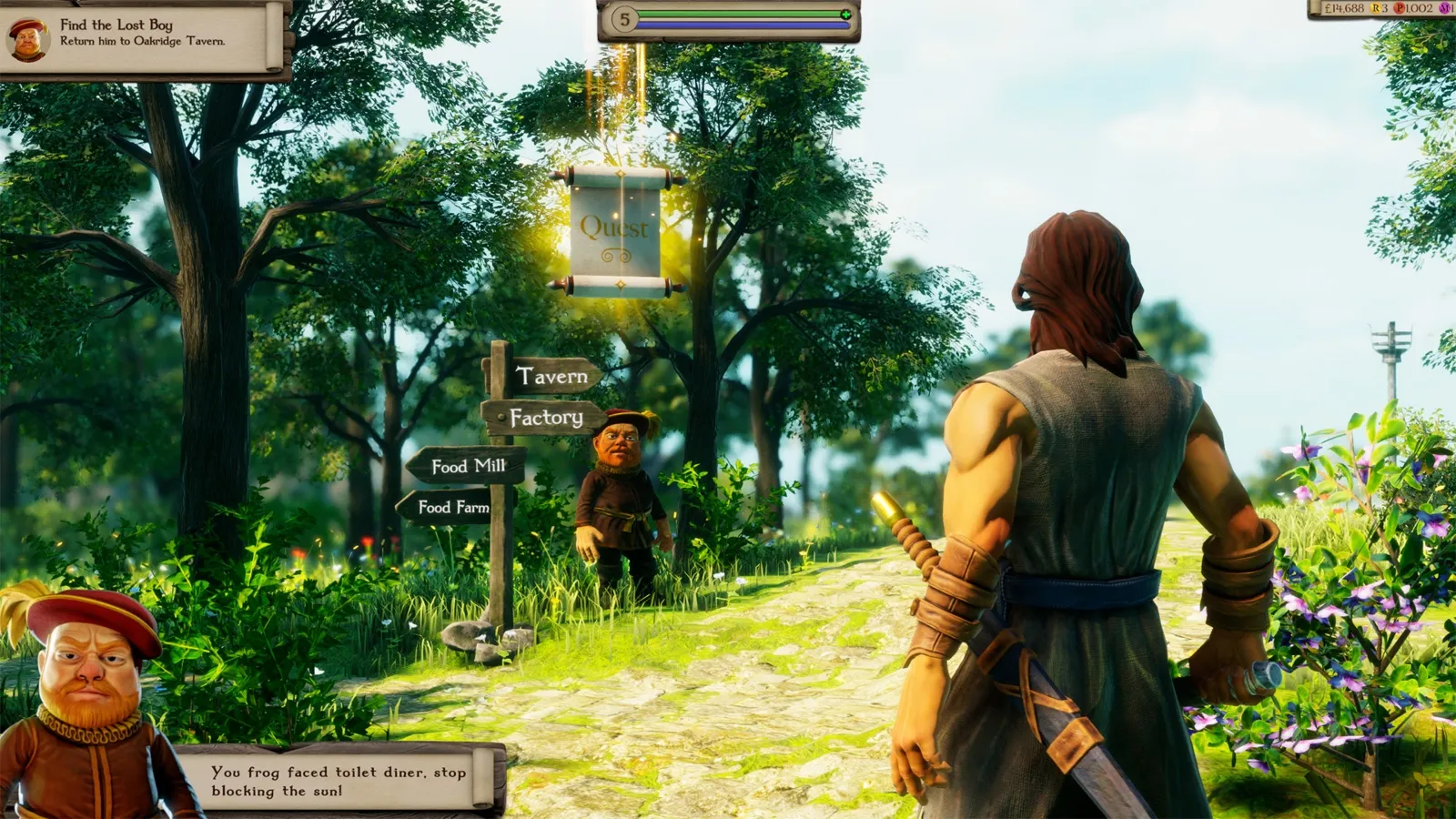
Senior developers began leaving. Internal reports cited mismanagement, shifting scope, and constant rewrites. One ex-artist, who wished to remain anonymous, said: “We were building features that got scrapped every few months. It felt like chasing smoke.”
By 2016, 22cans had laid off most of its original team. The remaining staff pivoted to mobile games and experimental tech, but the damage was done. Careers were stalled. Reputations tarnished.
Investors Who Wrote Big Checks for Little Return
Godus wasn’t just crowdfunded. Major investors poured money into 22cans, betting on Molyneux’s name. One early investor, a London-based venture capitalist, reportedly put in over £1 million in exchange for equity.
That investment never paid off.
With Godus failing to gain traction and no clear path to profitability, 22cans became a write-off. The investor later admitted: “We didn’t invest in the prototype—we invested in Peter. His track record blinded us to the red flags.”
The lesson? Even iconic founders can’t guarantee returns. And in tech, especially game development, vision without execution is worthless.
The Ripple Effect on Crowdfunding Culture
Godus wasn’t the first overhyped game to underdeliver—but it became a cautionary tale.
After its failure, trust in game Kickstarters eroded. Backers began scrutinizing campaigns more closely. Stretch goals were questioned. Dev logs demanded. The era of blind faith in “legendary” designers ended.
Platforms like Kickstarter and Fig saw a shift. More projects included detailed roadmaps, risk disclosures, and third-party audits. Some fans even started independent watchdog groups to track progress.
Godus taught the community a hard truth: charisma doesn’t ship code.
One developer, who successfully crowdfunded a small indie RPG, said: “After Godus, I made sure every update was transparent. No fluff. No vague promises. People remember what happened—and they’re not forgiving.”
Other Projects That Fizzled
Godus wasn’t an isolated incident.
Curiosity: What’s Inside the Cube? (2012) promised one player would unlock a real-world prize by tapping a virtual cube. It went viral—but the prize? A vague “message from Molyneux” delivered via email. No cash, no physical reward. The stunt felt more like marketing than a game.
The Trail (2017), a mobile walking game, tracked real-world movement. It earned minimal downloads and was shut down within a year. Investors who funded its development saw almost no return.
Even Molyneux’s time at Lionhead Studios ended in disappointment. Fable Legends, a multiplayer entry in the beloved Fable series, was canceled in 2016 after years of development. Microsoft shut down Lionhead, leaving dozens unemployed.
Each project carried the Molyneux stamp—bold ideas, ambitious trailers, passionate pitches. But none delivered at scale.
Why the Promises Never Landed
So what went wrong?
First, scope creep. Molyneux consistently pitched features that were technically unfeasible or economically unsustainable. AI that adapts to player emotion? Persistent civilizations shaped by thousands of players? These aren’t just hard—they’re monumental.
Second, lack of accountability. Unlike traditional studios with publishers enforcing milestones, 22cans operated without external oversight. Molyneux, as founder and figurehead, faced no pressure to pivot or scale back.
Third, communication breakdown. Backers were promised regular updates. Instead, they got long silences punctuated by vague blog posts. One update in 2014 read: “We’re still figuring things out.” Not exactly confidence-inspiring.
Finally, the myth of the genius designer. Molyneux was treated as infallible for years. That shielded him from criticism—until the results spoke for themselves.
Lessons for Backers and Investors
If you’re considering funding a game—or investing in a startup led by a “visionary”—here’s what Godus teaches:
- Verify, don’t idolize. A famous name doesn’t guarantee delivery.
- Demand transparency. Regular, detailed updates are non-negotiable.
- Assess the team, not just the pitch. Who’s coding? Who’s managing scope?
- Beware of vague stretch goals. “Emotional AI” and “revolutionary mechanics” mean nothing without a roadmap.
- Assume it won’t ship. Only back what you can afford to lose.
One seasoned game investor put it bluntly: “I don’t care if it’s Miyamoto or Molyneux. If the prototype doesn’t prove the core loop, I’m out.”
The Human Cost Behind the Headlines
Behind every failed game are real people.
The fan who saved for months to back Godus, only to get a broken alpha. The artist who moved cities for the job, then got laid off with no severance. The investor who lost seven figures betting on a legend.
They weren’t greedy. They were hopeful.
Molyneux has since stepped back from the spotlight, handing control of 22cans to new leadership. He’s admitted, in interviews, to overpromising. “I got carried away,” he said in 2015. “I thought we could do anything.”
That kind of optimism fuels innovation—but when it’s untethered from reality, it leaves wreckage.
What Now? A Path Forward
The game industry has evolved. Players are savvier. Investors are more cautious. Crowdfunding platforms demand more accountability.
But the temptation to believe in the next big thing remains.
If there’s a silver lining, it’s this: Godus made the industry more honest. It forced creators to under-promise and over-deliver. It reminded everyone that trust is earned—one shipped update at a time.
For those burned by Molyneux’s legacy, the lesson is clear: passion is not a business plan. Vision without execution is just noise.
Support developers who ship. Back teams with track records of delivery. And never, ever let charisma override common sense.
Because in the end, the only thing that matters is what’s in the final build—not the TED Talk that sold it.
FAQ
What should you look for in The Players Burned by Peter Molyneux’s Broken Promises? Focus on relevance, practical value, and how well the solution matches real user intent.
Is The Players Burned by Peter Molyneux’s Broken Promises suitable for beginners? That depends on the workflow, but a clear step-by-step approach usually makes it easier to start.
How do you compare options around The Players Burned by Peter Molyneux’s Broken Promises? Compare features, trust signals, limitations, pricing, and ease of implementation.
What mistakes should you avoid? Avoid generic choices, weak validation, and decisions based only on marketing claims.
What is the next best step? Shortlist the most relevant options, validate them quickly, and refine from real-world results.